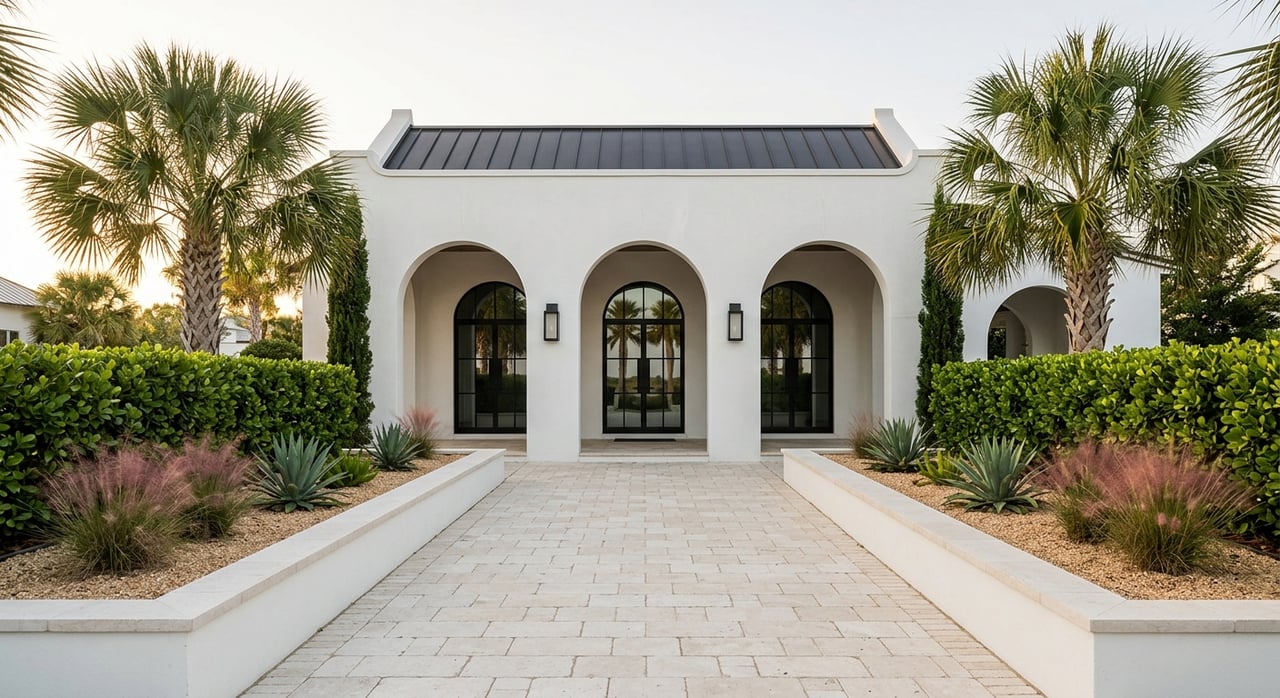
If you are drawn to 30A West for its beach access, resort feel, and polished coastal communities, HOA life will likely be part of the package. That can be a great thing, but it also means you need to understand what your dues cover, what rules apply, and whether there are extra layers beyond the HOA itself. If you are buying a primary home, second home, or rental-minded property, knowing how these communities work can help you avoid surprises and choose the right fit. Let’s dive in.
What HOA Life Means in 30A West
In 30A West, HOA living often goes beyond basic neighborhood upkeep. A property may sit inside a homeowners association, a condominium association, or even a separate private club or resort system with its own fees and access rules. That layered setup is one reason buyers need to look closely at the full ownership structure before they buy.
Under Florida Chapter 720, an HOA is a Florida corporation with recorded covenants that bind owners to the community’s governing documents and rules. Buyers must receive a disclosure summary before contract, and if that summary is not delivered, the buyer can cancel within 3 days after receiving it or before closing, whichever happens first. That makes the document review process more than a formality.
It is also important to know that condo parcels are governed separately under Florida Chapter 718, not Chapter 720. In practical terms, that means two homes in the same broader 30A area may operate under very different rules depending on the property type. If you are comparing options, this distinction matters.
What Your HOA Dues May Cover
In many 30A West communities, dues support more than landscaping and entry signs. Florida law requires HOA annual budgets to show operating expenses and to separately list fees or charges paid for recreational amenities, whether those amenities are owned by the association, the developer, or another party. That can include a wider mix of lifestyle features than many buyers expect.
In this market, amenities may include things like pools, fitness spaces, recreational courts, beach access support, or other shared-use facilities. The Village at Blue Mountain Beach is one example of a west 30A community that includes multiple property types and a range of amenities, along with separate governance materials for covenants, architecture, fines, and board structure. That example shows how detailed and layered community life can be.
Some communities also center their identity around resident or guest amenities rather than public access. WaterColor’s shared-use amenities, including pools, dining, beach setups, and Camp WaterColor, reflect how dues in the 30A area can support a full lifestyle package. In other words, what you are paying for may be part maintenance and part experience.
Watch for Separate Club Memberships
One of the biggest surprises for buyers in resort-style coastal communities is that not every amenity is automatically included in HOA dues. In some cases, a community may be near or connected to golf, beach, dining, or sports amenities that require separate membership. That distinction can change your annual ownership costs in a meaningful way.
Santa Rosa Golf & Beach Club, for example, markets golf, a private beach and pool club, and waterfront dining. Watersound Club also markets golf, beach, sport, and lifestyle amenities through its membership structure. For buyers, the takeaway is simple: always confirm whether the amenities you care about are included, optional, or subject to a separate club arrangement.
This is especially important if you are buying for lifestyle first. A home that looks perfect on paper may not deliver the access you expect unless you verify the actual ownership and membership terms. A careful review upfront can save frustration later.
Rules That Often Catch Buyers Off Guard
HOA rules in 30A West can affect how you use and maintain your property, especially on the exterior. Under Florida law, an association may review plans and enforce exterior appearance standards only to the extent that authority appears in the declaration or approved guidelines, and those standards must be applied reasonably and equitably. If a request is denied, the association must provide a written explanation identifying the rule involved and the part of the proposal that does not conform.
That matters if you are buying with renovation plans in mind. Whether you want to update paint colors, change landscaping, install exterior features, or make design improvements, you should review the architectural guidelines before closing. For design-minded buyers, this step is essential.
Florida law also limits what associations can regulate in certain situations, particularly for some non-visible items and specific protected uses. The law includes limits related to things such as artificial turf, boats, flags, vegetable gardens, clotheslines, and recreational vehicles when they are not visible from the street or neighboring areas, unless another law or local ordinance applies. There are also protections for certain flag displays, freestanding flagpoles, access ramps for disability or medical necessity, and compliant hurricane-protection specifications.
At the same time, enforcement is real. If an owner violates the declaration, bylaws, or reasonable rules, the association may levy fines or suspend some use rights after the required notice and hearing process. However, those suspensions cannot cut off pedestrian or vehicle access to the parcel or the right to park.
Fees, Reserves, and Special Assessments
Monthly or quarterly dues are only part of the ownership picture. Florida HOAs may maintain reserve accounts for capital expenditures and deferred maintenance, and if reserves are not fully funded, the annual financial report must warn owners that special assessments may be needed. That is a key detail for buyers who want a clear view of future costs.
Special assessments can affect your budget quickly, especially in amenity-rich or maintenance-heavy communities. Before turnover, a developer-controlled board generally cannot levy a special assessment unless a majority of nondeveloper owners approves it at a properly called meeting with quorum. Even so, once you own, the risk of future assessments is something to evaluate carefully.
One of the best tools for spotting hidden costs before closing is the estoppel certificate. Florida requires it to be issued within 10 business days, and it can list regular assessments, special assessments, transfer or capital contribution fees, open violations, other associations, and association insurance contacts. For buyers in 30A West, this document can reveal cost items that are easy to miss in a listing description.
Why Records Review Matters
A polished entrance and beautiful amenity photos only tell part of the story. Florida requires HOA official records to be maintained in-state for at least 7 years and made available within 10 business days of a written request. Those records may include budgets, insurance policies, financial reports, tax returns, and other financial information.
For a buyer, those records help answer practical questions. Is the association budgeting conservatively? Are reserves being funded? Are there recent issues or recurring concerns discussed in meeting minutes? This is where the real picture of community operations starts to come into focus.
If you are purchasing from out of market, records review becomes even more valuable. It gives you a fact-based way to compare communities that may look similar online but operate very differently behind the scenes.
Rental Rules Add Another Layer
If you plan to use your 30A West property as a vacation rental, HOA review is only part of the process. Walton County has its own short-term vacation rental registration program, and the county states that short-term rentals require annual registration. The county also says that Florida Department of Revenue, DBPR, and county tourism-tax registrations are prerequisites.
Walton County’s vacation rental FAQs also state that the rental agreement must address occupancy, parking, trash and recycling, noise, and evacuation-notice language. That means rental use is shaped by both county requirements and community-level rules. A property may meet county registration requirements and still be limited by HOA covenants or rules.
For investors and second-home buyers, that is a major point. Rental potential in 30A West is not just a marketing feature. It is a document-review issue that should be confirmed before you close.
Best Documents to Review Before Buying
If you want to understand HOA life clearly, focus on the documents that show both cost and restrictions. Florida’s disclosure statute tells buyers to read the covenants and governing documents before purchase, and that advice is especially important in 30A West. In communities where dues may cover very different mixes of maintenance, beach access, pools, golf, or club privileges, details matter.
Here are the most valuable items to review before you buy:
- Disclosure summary
- Declaration or CC&Rs
- Bylaws
- Rules and regulations
- Architectural guidelines
- Annual budget
- Financial report
- Recent meeting minutes
- Insurance information
- Estoppel certificate
- Private club or amenity membership paperwork, if applicable
A careful side-by-side review can help you compare properties more accurately. Two homes with similar price points can carry very different ownership costs, usage rights, and long-term flexibility.
How to Approach HOA Living With Confidence
HOA life in 30A West is not automatically a pro or a con. It is a framework that shapes how you enjoy the property, what you pay over time, and how much flexibility you have as an owner. The right community for you depends on whether the rules, amenities, and fee structure match your goals.
If you love resort-style features, polished common areas, and structured property standards, an HOA community may be exactly what you want. If you value rental flexibility, renovation freedom, or lower carrying costs, you will want to dig deeper before making a decision. The key is knowing what questions to ask before you fall in love with the view.
In a market like 30A West, where lifestyle and ownership structure often go hand in hand, thoughtful guidance can make the process much smoother. If you want help comparing communities, reviewing what dues really cover, or identifying the right fit for your lifestyle or investment goals, Destin Sells Destin is here to help.
FAQs
What does an HOA usually cover in 30A West communities?
- In 30A West, HOA dues may cover operating expenses and recreational amenities such as pools, fitness areas, courts, or other shared facilities, but the exact coverage depends on the community’s budget and governing documents.
Can a 30A West property have both an HOA and another association?
- Yes. A property in 30A West may be part of a homeowners association, a condominium association, or an additional private club or resort membership structure.
Are private club amenities included in HOA dues in 30A West?
- Not always. Some golf, beach, dining, or sports amenities may require separate membership, so you should confirm whether access is included, optional, or separate.
Can an HOA in Florida deny my exterior renovation plans?
- Yes, if the association has authority in its declaration or approved guidelines, but it must apply standards reasonably and equitably and provide a written explanation if it denies your request.
Can an HOA in 30A West stop short-term rentals?
- A community’s governing documents or rules may limit rentals even if Walton County allows vacation rentals through its registration program, so both county rules and HOA documents must be reviewed.
What documents should I review before buying in a 30A West HOA?
- The most important documents include the disclosure summary, declaration or CC&Rs, bylaws, rules and regulations, architectural guidelines, annual budget, financial report, meeting minutes, insurance information, estoppel certificate, and any private club paperwork.
