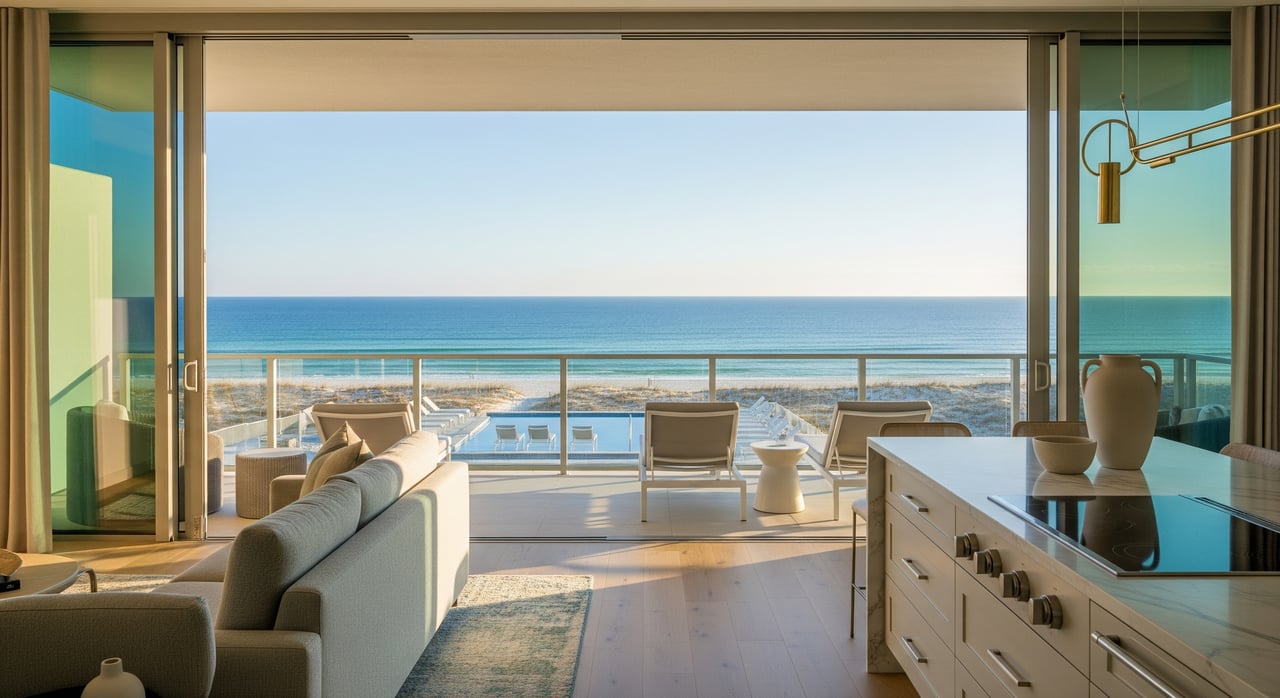
Thinking about a vacation place that can also earn rental income? In Destin, many buyers look at condotels because they offer resort amenities and an on‑site rental desk. It’s a smart path if you want convenience, but the rules, fees, and financing are different from a typical condo. In this guide, you’ll learn how condotels work in Destin, what lenders expect, and what to verify before you tour. Let’s dive in.
Condotel basics in Destin
A condotel is a condominium unit inside a building that operates like a hotel. You own your unit, and when you are not using it, an on‑site management company can rent it to short‑term guests. These buildings usually have a front desk, concierge, housekeeping, and a centralized rental program.
Because a condotel is designed for transient guests, you may see limits on owner use, required enrollment in a rental pool, and specific revenue split terms with the management company. Amenities, staffing, and marketing often lead to higher common costs compared with standard condos.
How a condotel differs from a condo
While both are deeded condos, condotels function more like hotels. Key differences to expect:
- Short‑term rental focus with nightly or weekend stays rather than long leases.
- On‑site management with a defined rental agreement, fee structure, and revenue split.
- Possible limits on how often you can stay in your unit and blackout dates.
- Higher operating costs for amenities, staffing, marketing, and insurance.
- Different insurance needs due to transient use and coastal risks.
These differences matter for your financing, taxes, and long‑term income expectations.
Local rules and taxes to confirm
Destin and Okaloosa County regulate short‑term rentals through local permitting and taxation. Requirements can include business licenses, safety items, occupancy limits, and tourist development taxes. Rules can change, so you should confirm current permitting and tax collection requirements with Okaloosa County and the City of Destin before you buy. Many condotel managers collect and remit required taxes for owners, but it is important to verify how that works in your building.
Coastal insurance and hazard exposure
Destin’s waterfront setting is part of the appeal, and it brings unique insurance factors:
- Many buildings are in FEMA‑designated flood zones, and lenders often require flood insurance if the structure is in a Special Flood Hazard Area.
- Wind and hurricane risk affects premiums and availability. Florida’s residual market, Citizens Property Insurance, can act as a last‑resort option in some cases.
- Building elevation, construction year, and mitigation features like impact windows can influence cost and lender comfort.
Ask for the building’s master policy and confirm what it covers versus what you must carry on your unit. Many owners need an HO‑6 policy and may consider loss of rental income coverage.
Financing reality for condotels
Financing a condotel is different from financing a traditional condo. Many mainstream conventional, FHA, and VA loans require condo projects to meet strict eligibility rules. Hotel‑style operations, short‑term rentals, and required rental pools can make a project “non‑warrantable” with those programs.
If a project is not approved under agency rules, buyers often use portfolio or specialty lenders that keep loans on their own books. These loans can require higher down payments and reserves, and they usually carry higher interest rates than conforming loans.
What lenders review
Lenders and underwriters look at both the borrower and the building. For condotels, they typically review:
- Project approvals and whether the building meets Fannie Mae, Freddie Mac, FHA, or VA standards.
- Rental rules, including the level of transient use and any mandatory rental program.
- HOA financials, reserve funding, budgets, and delinquency rates.
- Litigation, structural issues, and master insurance coverage, including wind and flood.
- Owner‑occupancy ratios and single‑entity ownership concentration.
They may also require management agreements, HOA governing documents, and rental performance statements to gauge risk.
Down payment, rates, and reserves
For non‑warrantable condotels and portfolio loans, you should plan for a larger equity position. Buyers often see:
- Down payment of at least 20 percent, and often 25 to 30 percent or more.
- Higher interest rates than standard conforming loans.
- Extra cash reserves, commonly 6 to 12 months of payments and HOA dues.
- Stricter debt‑to‑income and credit score requirements.
If you hope to use rental income for qualification, many lenders will only count documented, historical income and will apply vacancy and expense factors. Be ready to provide 12 to 24 months of rent rolls or profit and loss statements if allowed by the lender’s guidelines.
Pre‑tour checklist for Destin condotels
Before you tour or write an offer, request and review the right documents. This saves time and helps you compare buildings side by side.
Documents to request:
- Association governing documents, bylaws, and any rental program amendments.
- The rental or management agreement with terms, fees, owner‑use rules, and cancellation policies.
- HOA budget, reserve study, 2 to 3 years of financials, and recent meeting minutes.
- Current assessments, any planned special assessments, and delinquency rates.
- Historical rental performance for the unit or similar units, including occupancy, average nightly rates, and management fees.
- Insurance certificates for master coverage and a summary of unit owner requirements.
- Proof of required local permits or registrations for short‑term rentals.
- Litigation disclosures for the HOA or developer.
Questions to ask the HOA or manager:
- Is enrollment in the rental program mandatory, and what are the penalties if you opt out?
- How many owner weeks are allowed, and are there blackout dates?
- How is revenue split, and what fixed or variable fees are charged?
- How are common expenses allocated for transient rental services like housekeeping and marketing?
- Has the project been reviewed for agency approval, and will the HOA cooperate with lender requests?
Questions to ask a lender:
- Do you finance units in this specific building, and what are your down payment, rate, and reserve requirements?
- Will you consider unit rental income for qualification, and what documentation is required?
- Is flood insurance required for this unit, and what minimum coverage do you need?
Estimating income and expenses
Project your net return using actuals, not estimates.
- Start with verified rental history from the building’s management company, and factor in seasonality typical of Destin’s spring and summer peaks.
- Deduct management fees, housekeeping, HOA dues, insurance, property taxes, and local transient taxes.
- Include reserves for repairs, special assessments, and slower shoulder seasons.
This approach helps you compare buildings and unit types fairly, and it sets realistic expectations.
How to choose the right building
Look for buildings that align with your lifestyle and goals. If you want maximum personal use, focus on owner‑friendly rules. If your goal is higher rental income, compare revenue splits, fee structures, and historic occupancy trends. Ask about future capital projects that may impact dues or desirability.
A local specialist can help you weigh rental restrictions, HOA strength, insurance requirements, and lender options across several buildings. That guidance often pays for itself in smoother financing, stronger income performance, and fewer surprises at closing.
Your next step
Condotels can be a great fit if you want a lock‑and‑leave lifestyle with professional rental support. The key is to confirm building rules early, align financing with a lender experienced in resort properties, and review verified financials before you tour. When you are ready, our team can streamline the process and help you compare the best options on the Emerald Coast.
If you are exploring condotels or other resort properties in Destin, connect with Destin Sells Destin for concierge guidance from search to closing.
FAQs
What is a condotel in Destin and how does it work?
- A condotel is a condo in a hotel‑style building where you own the unit and can place it in an on‑site short‑term rental program with defined fees, rules, and revenue splits.
Are FHA or VA loans usable for Destin condotels?
- Many hotel‑style condo projects are ineligible for FHA or VA unless specifically approved, so most buyers use conventional portfolio or specialty loans instead.
How much down payment do I need for a Destin condotel?
- Expect at least 20 percent, with many lenders requiring 25 to 30 percent or more, plus extra cash reserves for payments and HOA dues.
Do Destin condotels require special insurance?
- Lenders often require flood coverage if the building is in a FEMA Special Flood Hazard Area, and coastal wind risks can raise premiums beyond a typical condo policy.
What should I review before touring a Destin condotel?
- Ask for HOA documents, reserve studies, rental agreements, verified rental history, master insurance details, local permits, assessments, and any litigation disclosures.
