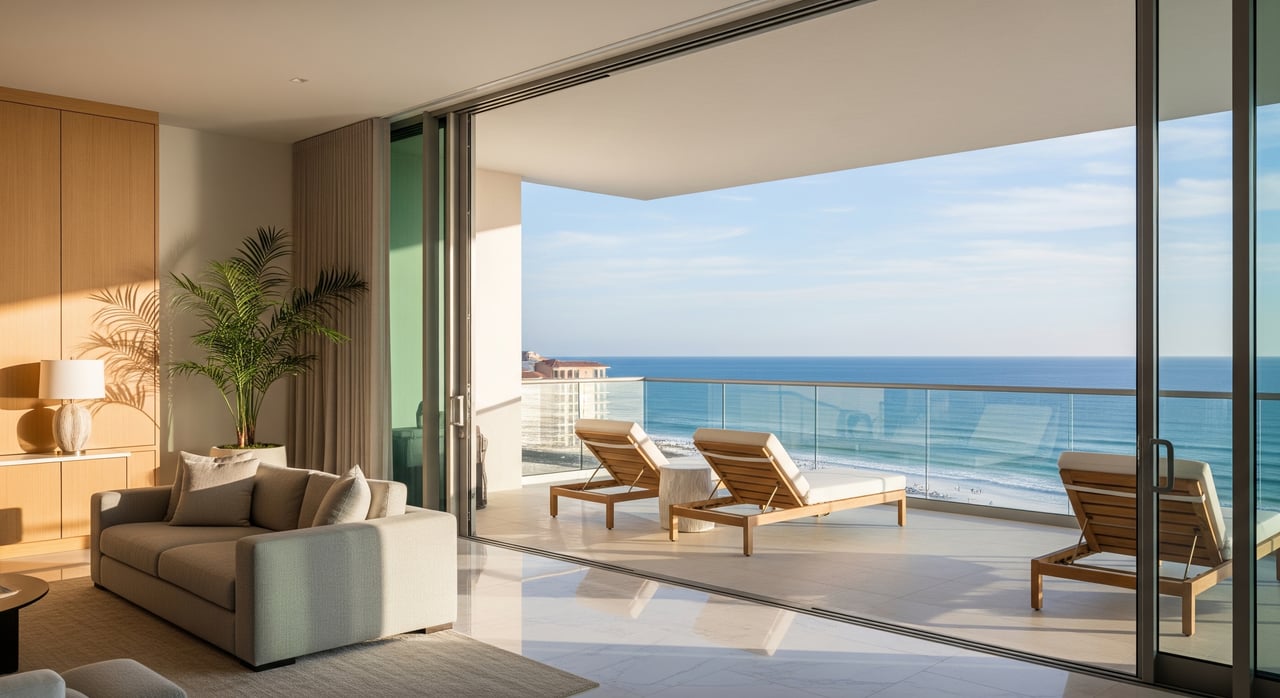
Ever pictured your morning coffee with a horizon-to-horizon Gulf view and the sound of waves as your soundtrack? If you’re eyeing a gulf-front condo in Destin, you’re not alone. You want the lifestyle and you also want the facts on costs, rules, rentals, and storm prep. This guide shows you what daily life actually feels like and what you need to know before you buy, from HOA fees to flood maps to rental tax basics. Let’s dive in.
Gulf-front living in Destin
Living on the Emerald Coast puts you steps from sugar-white sand and clear green-blue water. You’ll enjoy a resort vibe much of the year and peaceful stretches during the winter. Many owners use their condos as second homes or income-producing rentals, so every season has a rhythm.
Mornings on the water
Sunrise is prime balcony time, often followed by a quick walk over the dune walkover to the beach. For a quieter, natural setting, you can explore the protected shoreline at Henderson Beach State Park. Morning walks, yoga on the sand, or a jog along the water are everyday options.
Midday conveniences
You’re close to seafood markets, grocery stores, and casual dining, with many buildings offering pools, hot tubs, fitness rooms, and community grills. Elevators and covered parking add convenience. Onsite management or a rental desk may be available, depending on the property.
Evenings out and about
When the sun sets, you can head to the Harbor for restaurants, events, and waterfront strolls at HarborWalk Village. Summer days often include boating or a charter trip, and seasonal highlights like Crab Island’s shallow sandbar gatherings are a quick boat ride away. You’ll find the vibe livelier in peak months and calmer during the off-season.
Amenities to expect
Most gulf-front condos offer resort-style perks. Specifics vary by building, but you’ll commonly see:
- Direct beach access or a private walkover
- Pools, hot tubs, and community barbecue areas
- Covered or garage parking
- Elevators and accessible common areas
- Fitness center and community rooms
- Onsite property management or a rental office
- Nearby marina access, slips, or launch ramps (often separate from condo ownership)
- Association policies on pets and smoking
HOA and building rules
Florida condominium associations manage exterior maintenance, common areas, and building rules. They also shape your experience as an owner.
Fees and what they cover
Expect higher monthly fees on the beach compared to inland communities. Condo fees often include exterior maintenance, building insurance for common elements, water and sewer, and shared utilities. Associations operate under Florida’s condominium law in Chapter 718, Florida Statutes, which outlines governance standards and owner rights. Review budgets and reserve studies to understand how your building plans for big-ticket repairs.
Rental policies and local rules
Many Destin condo owners rent short-term, but association rules vary widely. Some buildings welcome vacation rentals, while others limit stays or prohibit short-term rentals entirely. If you plan to rent, verify the declaration, bylaws, and city or county requirements, plus tax registration steps. Okaloosa County’s tourism and local resources provide context on visitor activity and rental compliance through Visit Okaloosa.
Maintenance and salt air
Salt air is part of coastal living and it accelerates wear. Planning ahead helps protect your investment.
- HVAC systems need more frequent servicing.
- Metal fixtures and railings can corrode faster.
- Exterior paint, caulk, and seals require regular attention.
- Balconies and building envelopes need periodic inspections and waterproofing projects.
Associations typically handle exterior work, but you should confirm schedules and reserve funding. Many buildings conduct periodic engineering reviews to stay ahead of issues.
Insurance, flood, and hurricanes
Beachfront living brings wind, water, and weather planning to the forefront. You’ll want clarity on what the association covers and what you must insure yourself.
Flood zones and coverage
Most gulf-front properties fall within FEMA-designated flood zones like AE or VE. Mortgage lenders usually require flood insurance in these areas. Check your specific property on the FEMA Flood Map Service Center and confirm your unit-owner policy requirements, including interior finishes and contents.
Windstorm coverage and deductibles
Hurricane exposure means higher premiums and storm deductibles. In some cases, owners or associations obtain wind coverage through specialty or state-backed markets when private options are limited. The Florida Office of Insurance Regulation provides statewide context on coverage trends.
Hurricane season readiness
Hurricane season runs from June 1 to November 30, with late summer and early fall as peak months. Follow updates from the National Hurricane Center and confirm your building’s storm protocols. Ask how the association handles post-storm repairs and whether it has levied special assessments in the past after major events.
Taxes and renting your condo
Short-term rentals can offset ownership costs, but you need a plan for taxes and compliance.
- Florida collects state sales tax on short-term stays. The Florida Department of Revenue outlines registration and filing basics.
- Local tourist development taxes and any applicable discretionary surtaxes can apply. Check county guidance via Visit Okaloosa.
- If you use property management, confirm fee structures and who handles tax remittance.
For property taxes, your annual bill is based on assessed value and local millage rates. For parcel-specific details and exemptions, visit the Okaloosa County Property Appraiser.
Seasonality and crowds
Destin has distinct seasons that shape both your lifestyle and your rental calendar.
- Peak season: late spring through summer, including spring break and Memorial Day to Labor Day. Expect higher traffic, busier beaches, and strong rental demand.
- Shoulder seasons: fall and early spring with mild weather, lower rates, and lighter crowds.
- Winter: the quietest months, ideal for owners who prefer a slower pace.
If you value tranquility, you may favor longer personal stays in the winter and fall. If you prioritize rental income, you’ll likely open more summer weeks to guests.
Neighborhood snapshots
Each stretch of shoreline has a different feel. Your preferences for activity level, boating access, and proximity to dining will help you choose.
- Holiday Isle and Destin Harbor: Close to marinas, charters, and the action at HarborWalk Village. Expect more activity and easy access to the water.
- Crystal Beach and Miramar Beach: Long beachfront corridors with condos and nearby retail corridors. A good mix of convenience and coastal calm.
- Okaloosa Island and Fort Walton Beach: Gulf access with a different community rhythm and sometimes lower price points than central Destin.
Due diligence checklist
Before you write an offer, gather documents and confirm details. A clear picture helps you avoid surprises and buy with confidence.
- Condominium declaration, bylaws, and rules
- Current operating budget and reserve study
- Recent meeting minutes and any special assessment notices
- Master insurance policy and certificate of insurance
- Rental policies and historical rental data, if applicable
- Recent engineering or structural reports for balconies and exteriors
Also, visit at different times. Stop by on a weekday and a weekend, and compare peak versus off-peak seasons to check parking, elevator wait times, and noise levels.
Access and everyday convenience
Most condo corridors sit close to grocery stores, pharmacies, and casual dining, so daily errands are simple. Local transit options are limited compared to large metro areas, so a car is helpful for errands and regional trips. Boat slips are often separate from condo ownership and may require a waitlist or extra fees, so plan ahead if you want dedicated marina access.
Is a Destin gulf-front condo right for you?
If you want effortless beach access, stunning views, and strong seasonal demand for rentals, a gulf-front condo can be a smart lifestyle and investment move. The real work is in the details. Know the rules, understand the fees, and prepare for coastal maintenance and storm season. With the right guidance, you can match the building, floor plan, and amenity set to your goals.
When you’re ready to compare buildings, rental policies, and potential returns, reach out. With deep local expertise and concierge-level guidance, Destin Sells Destin can help you pinpoint the right fit and navigate each step with confidence.
FAQs
Can I rent my Destin gulf-front condo short-term?
- It depends on the association’s rules and local requirements. Review the condominium declaration and bylaws, then confirm city or county permits and tax registration with the Florida Department of Revenue and local resources via Visit Okaloosa.
What insurance do I need as a condo owner on the beach?
- Your association typically insures common elements. You’ll likely need an HO-6 policy for interior finishes and contents, plus flood and wind coverage as required. For statewide context on coverage, visit the Florida Office of Insurance Regulation.
How do I check if a condo is in a flood zone?
- Look up the property at the FEMA Flood Map Service Center. Lenders commonly require flood insurance for units in AE or VE zones.
Are HOA fees higher for gulf-front condos?
- Often yes. Beachfront upkeep, higher insurance, elevators, pools, and salt-air maintenance add costs. Review the current budget and reserve study to see what is included and how the association plans for major work under Florida Statutes Chapter 718.
How busy does Destin get in summer?
- Late spring through summer is peak season with heavier traffic, busier beaches, and lively nightlife. Fall, early spring, and winter are typically calmer with easier parking and shorter waits.
What should I review for building health and safety?
- Ask for recent engineering or structural reports, balcony inspection history, waterproofing plans, meeting minutes, and reserve studies to assess upcoming projects and potential assessments.
What happens if a hurricane hits?
- Follow guidance from the National Hurricane Center during storm season and confirm your building’s protocols. After major storms, associations may coordinate repairs and, when necessary, levy special assessments to fund work.
